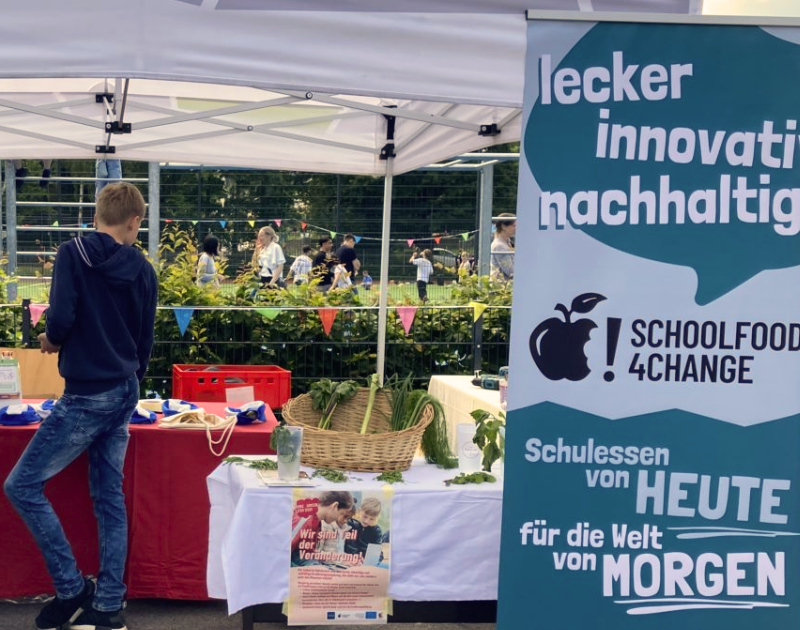
What if we transformed school food systems so that every child received a nutritious school meal every day – one that supports health, protects the planet, and strengthens local communities?
This is exactly what the SchoolFood4Change (SF4C) project has been working to achieve – and the results show that meaningful change is not only possible, but already happening in 35 cities and regions across Europe and beyond.
A European movement changing what’s on the plate
Over more than four years of international collaboration, SchoolFood4Change has become one of Europe’s most ambitious initiatives to transform school food systems. Across 22 countries, nearly 4,000 schools and daycare centres have changed how they serve food and integrate food education into their curricula – reaching over one million children overall.
On the one hand, this has translated into more than 95 million healthier and more sustainable school meals served through SchoolFood4Change. On the other hand, the initiative is about far more than changing school menus. The SchoolFood4Change network applies the SchoolFood4Change Triple Approach, thinking holistically about the entire food environment surrounding schools, from suppliers and caterers to families and the wider school community. It’s about reshaping local and regional food system, from how food is procured and prepared to how children learn about it.
The impact of SchoolFood4Change’s Triple Approach can be seen across multiple, interconnected dimensions.
HEALTH:
Improving the nutritional quality of school meals supports children’s health, wellbeing, and their ability to learn. And at the heart of the project is a simple idea: school meals shape lifelong habits.
By increasing vegetables, pulses, and plant-based meals – and improving how food is prepared and presented – schools, their teachers and kitchen teams, are helping children eat better every day.
The results are striking:
- In Dordogne (France), overweight and obesity rates dropped from over 50% to just 15% among the children studied
- In Vienna (Austria), overweight/obesity rates fell from 17% to 4%
- School kitchens in Copenhagen have access to over 150 seasonal fruit and vegetable varieties, and some products are switched to order-on-demand to reduce food waste.
These examples show that systemic change in school food can directly improve children’s health – not through campaigns alone, but by changing the food environment itself.
CLIMATE:
SchoolFood4Change proves that climate action can start in the school canteen.
Across participating cities and regions, greenhouse gas (GHG) emissions linked to school meals were reduced by 33% on average.
How was this achieved?
- Introducing more plant-based meals
- Sourcing local and prioritising seasonal ingredients
- Increasing the share of organic food
- Reducing food waste, which accounts for about one-third of GHG emissions, according to the Green Spoon tool, developed in SF4C
In Leuven (Belgium), for example, GHG emissions were reduced by an impressive 92%, largely thanks to plant-based menus making up the majority of meals. In Budapest (Hungary) every meal is delivered by electric vehicles, served in sustainable packaging.
These changes show that climate-friendly meals can also be appealing and nutritious.
KNOWLEDGE:
Transforming school food starts with empowering the people who make it possible. By equipping cooks, caterers, teachers and other key actors with knowledge of healthy eating, nutrition, sustainable cooking, and menu design, change can take root at every stage of the school food system-from procurement to the school kitchen and the classroom.
Through SchoolFood4Change:
- More than 5,000 professionals – including chefs and kitchen staff – have been trained
- 42 new plant-forward recipes have been developed
- Children themselves helped test and improve meals, ensuring they are both healthy and enjoyable
Ghent has strengthened sustainable public procurement by establishing a cross-sectoral working group that brings together purchasing officers from municipalities, care institutions and public organisations.
This focus on skills and creativity ensures that change is not temporary – it becomes part of everyday practice.
EDUCATION:
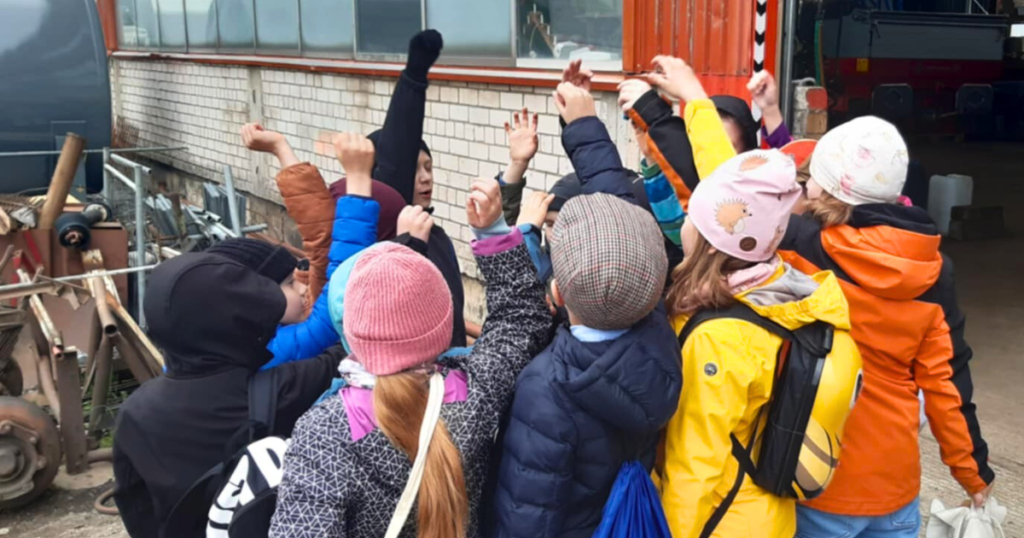
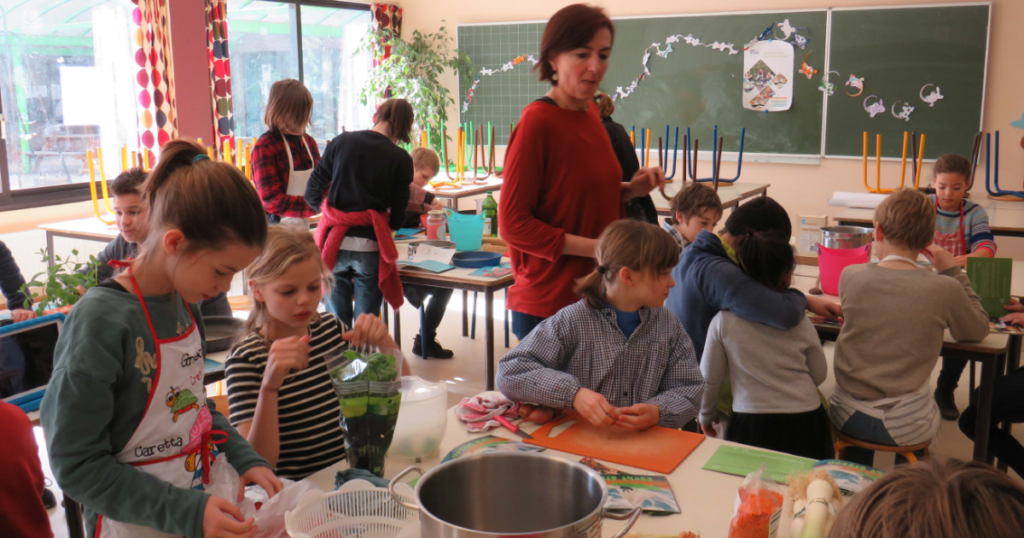
One of the initiative’s most powerful innovations is the Whole School Food Approach, ensuring that food becomes part of living classrooms.
In over 1,200 schools, food is no longer just something students eat – it is something they learn about, explore and shape. Around 400 schools are already certified for improvements in nutritional quality, food culture and food education.
Examples include:
- School gardens and cooking classes. In Milan more than 700 children got hands-on in school gardens and brought 250+ families together around food education.
- Lessons linking food to climate, health, and culture
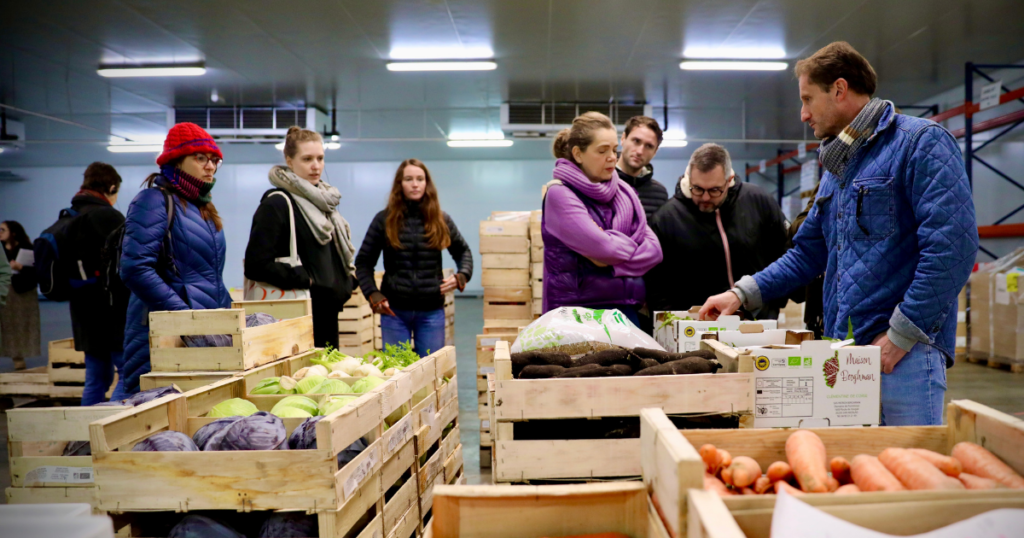
- Partnerships with farmers – over 200 schools have established direct collaboration, allowing students to visit local farms and exchange with farmers on food origins
This approach turns schools into laboratories for change, where children build knowledge and habits that last a lifetime.
LOCAL ECONOMIES:
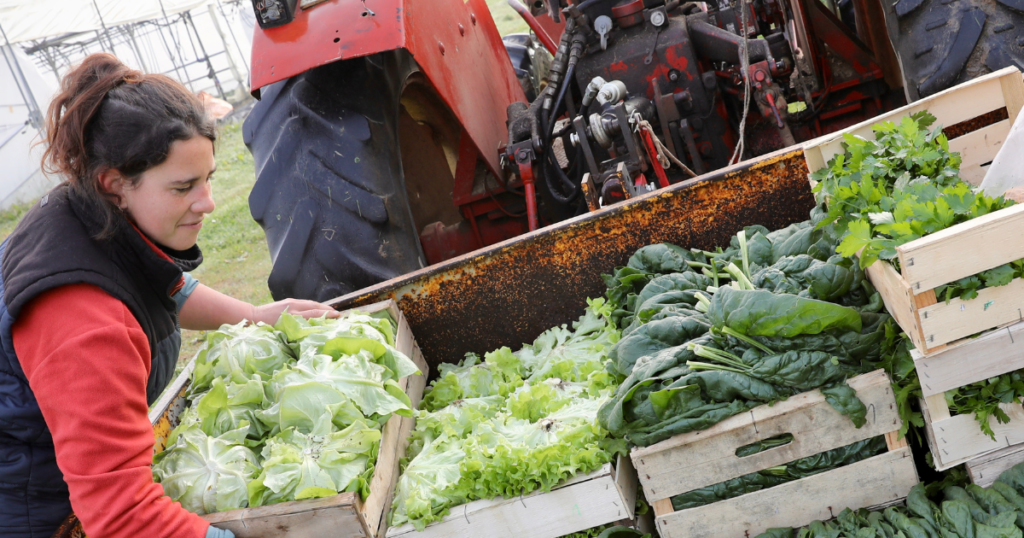
Sustainable public procurement acts as a very strong, but often hidden driver of change, creating reliable demand for local producers, strengthening regional supply chains and supporting more resilient food systems.
By rethinking public procurement – how schools buy food – local governments have made sustainability the default, not the exception.
Today, more than 3,200 schools are using innovative procurement practices that prioritise:
- Nutritional quality
- Environmental sustainability
- Local supply chains
- Waste reduction
In Malmö, a Dynamic Purchasing System helps combine innovative procurement with food education, enabling children to visit local farms and better understand where food comes from.
This shows how public spending can actively shape healthier and more sustainable food systems.
SOCIAL VALUE:
Investing in better school food doesn’t just benefit children – it benefits society as a whole. Together, these changes generate measurable social returns on investment, delivering long-term benefits. In SchoolFood4Change, every €1 invested generates at least €2.50 in social value.
This return comes from:
- Improved health and reduced future healthcare costs
- Lower environmental impacts
- Stronger local economies
- Better food knowledge and awareness
In Umeå, the launch of a tender for a two-year contract included requirements for the winning contractor to employ two people from vulnerable groups. By using procurement strategically, the city helps individuals far from the labour market gain employment, reducing social exclusion and associated costs.
In 2025, Tallinn became one of the first European capitals to provide both free school lunches and free hot breakfasts to all pupils in municipal schools.
School meals, in this sense, become a powerful public investment – not just a cost.
Building momentum for the future
SchoolFood4Change is not a one-off project – it is a growing movement.
- Over 111,000 people have signed a petition calling for healthy school meals for every child
- Cities across Europe are continuing to adopt and scale the approach
- Policymakers are recognising school food as a key tool for health, climate, and education
Inspiring the next chapter
The achievements in SchoolFood4Change shows that change is possible when cities, schools, and communities act together.
It proves that:
- Children will embrace healthier food when it is well prepared and engaging
- Sustainable meals can significantly reduce environmental impact
- Schools play a central role in shaping a better food future
Now is the moment to build on this progress.
By continuing to invest in healthier, more sustainable school food systems, we can:
- Improve children’s wellbeing
- Support local farmers
- Reduce climate impact
- Create food cultures that last for generations
The recipe is already there.
The next step is to keep cooking and scaling the change. You find our roadmap, Guide to a New School Food System, to support your journey here.