

Beyond the food Pyramid
Who doesn’t remember the food pyramid from their biology classes? It represented the optimal combination of foods one should eat during the week to maintain a healthy diet: a useful model that has helped many people monitor and improve their physical and mental wellbeing. However, it focuses specifically on the individual. SchoolFood4Change proposes a broader food education model, one that focuses on “our relationship with the environment and other living beings. The project’s School Menu Design Handbook dedicates its third chapter to the role schools could play in providing food education based on the One Health Principle.
Designing School Menus for People and Planet
The first parts of the handbook explore how school meals can be prepared to improve food acceptance among young students, and how canteens can select and cook food that aligns with planetary health while putting the principles of circularity into practice. The final section imagines a different role for kids altogether, not just as passive consumers, but as active participants in the preparation of their own meals. When students help create dishes, they grow more familiar with different types of food and develop culinary skills along the way. Kitchen workshops, educational visits, and school gardens can then extend this awareness beyond the school walls, helping students make more sustainable food choices in their everyday lives.
Building a Food Community Around the School
Food education activities built around the One Health Principle require a systemic approach that fosters a better understanding of the food system as a whole. As the handbook notes, this means lessons should promote relationships in the local area and stimulate dialogue between supply chain actors “from a co-evolutionary perspective,” with an emphasis on raising kids’ awareness of the people who produce, cook, and process food. To be effective, these activities should be fun, encourage critical thinking, and help develop a sense of community. As the handbook puts it, it is essential to “promote, create and constantly nurture relationships between the various stakeholders in the service, such as farmers and producers and the school world (pupils, teachers, families), through the continuous commitment of cooks and kitchen staff” — creating ongoing moments for dialogue, knowledge-sharing, and collaboration.
Bringing Food Experience Back into the Classroom
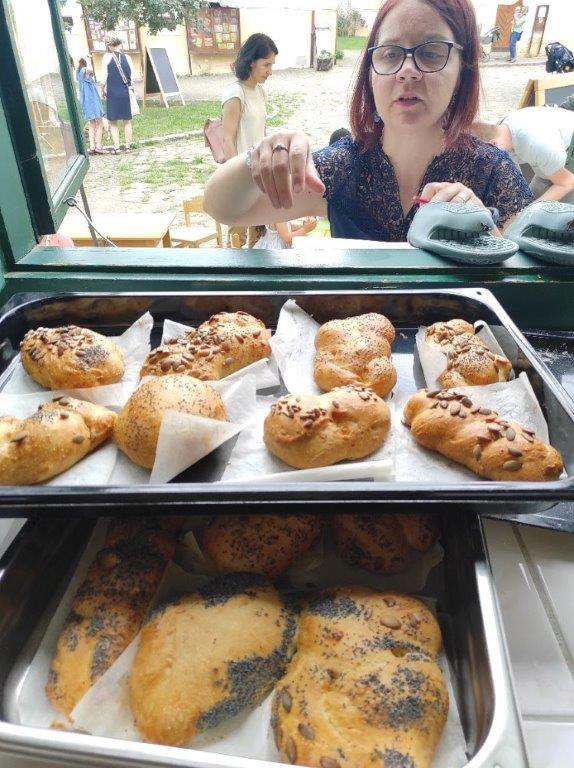
Cooking lessons with professional cooks can be a powerful addition to school food education, even if they require some logistical planning. Today’s children — and many adults — have far less direct experience with food production and preparation than any previous generation. The kitchen used to be a communal space where families gathered, talked, and implicitly learned how their social and economic context shaped what they ate and how they cooked it. As more families eat out or rely on processed food, that experiential and communal relationship with food is gradually being lost. School cooks and school meals have the potential to reverse this trend by shifting toward action learning — an approach that sees students not as passive recipients of information, but as creative problem-solvers who learn by doing, in cooperation with their teachers.
Learning by Doing: Workshops, Canteen Days and Local Producers
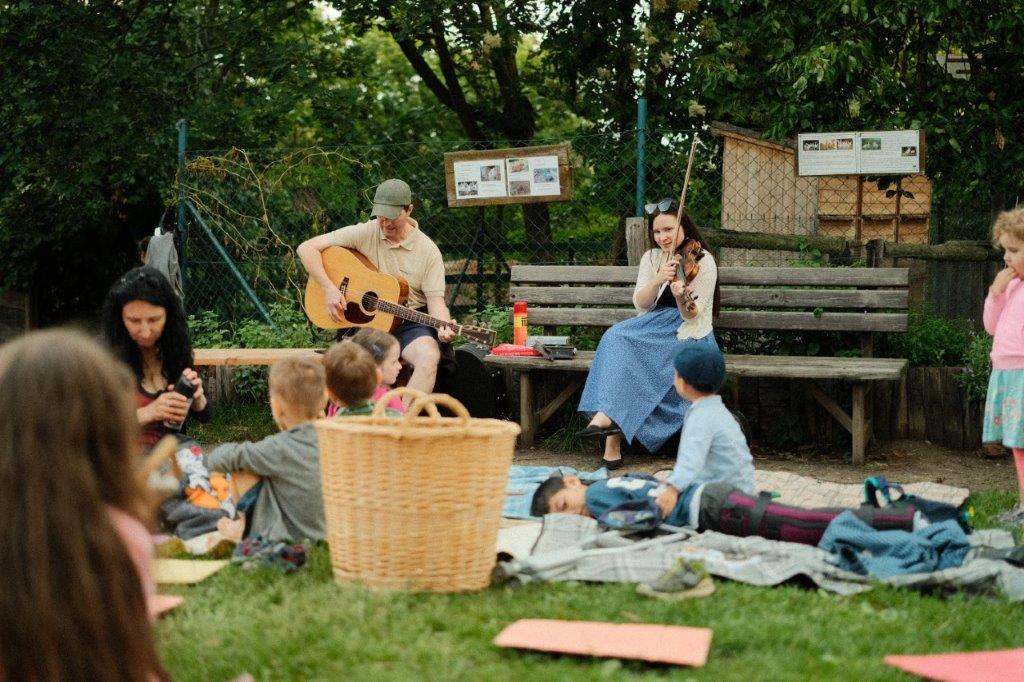
In practice, this can take many forms. Cooking and sensory workshops for children, teachers, and parents — ideally involving local producers and farmers — can activate a natural learning process that uses the five senses as the main filter for acquiring and processing knowledge. Another effective format is the Canteen Day: a school event focused on health education and sustainable consumption, where children and parents take part in activities they can replicate at home and engage directly with local food producers. SchoolFood4Change has developed a dedicated Guide for organising Canteen Days.
Read the Handbook
School meals are far more than a daily routine — they are an opportunity to shape how the next generation thinks about food, health, and the planet. If you work in education, school catering, or food policy, the SchoolFood4Change School Menu Design Handbook offers practical guidance on turning that opportunity into lasting change. Download the Handbook and start reimagining what school food can look like.
The SchoolFood4Change School Menu Design Handbook can be downloaded here.