
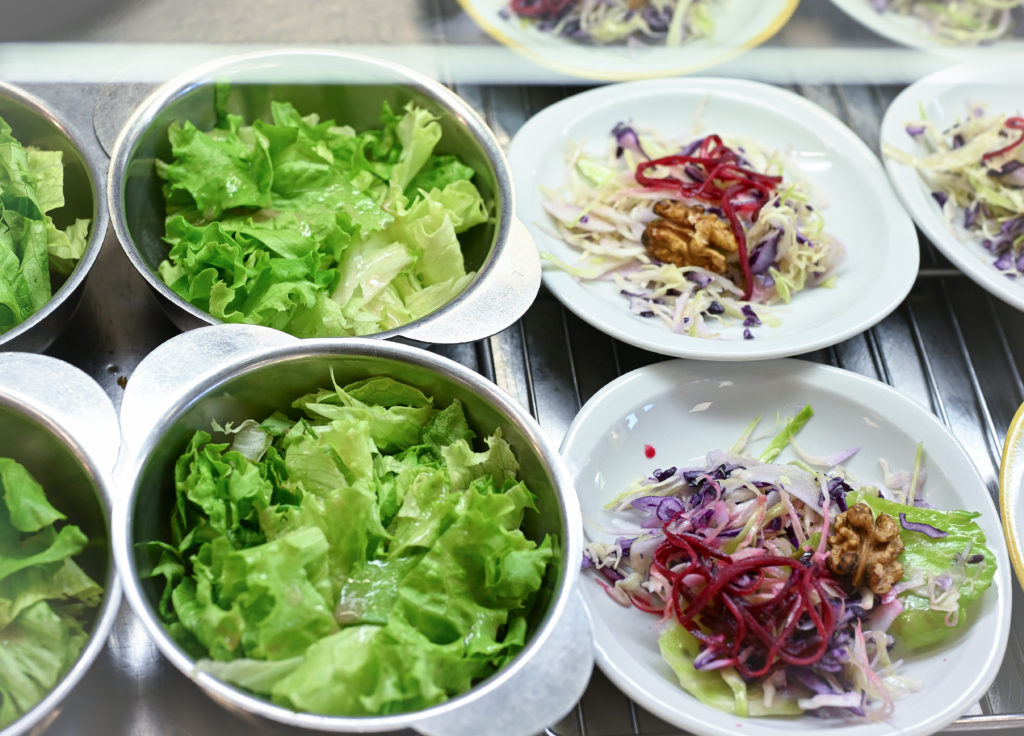
School meals have the potential to create stronger communities, improve the health of children and adults, and foster more sustainable societies. The SchoolFood4Change project sees school meals as a key lever for transformational change, understanding that such change won’t enact itself. To that end, it has developed the School Menu Design Handbook, a guide supporting the design, preparation and acceptance of effective school meals. That starts with the understanding that students should like the meals they are provided with. Acceptance of healthy school meals is only possible if the school meals taste good.
In discussions on the health and sustainability of food, it is often forgotten that people also consume food because they derive pleasure from it. As the handbook notes, there is no guarantee that children will have access to the food they need unless they accept and appreciate it. Consequently, the handbook begins by providing insights into what makes people like certain food, from both a biological and a socio-cultural perspective. This is then followed by a methodological approach about what techniques can be used to cook and prepare a meal that fits the students’ food preferences. The section ends with a creative matrix that provides inspiration to create delicious school meals that are also healthy and sustainable.

Taste is both objective and subjective. Humans have five main tastes: sweet, sour, bitter, salty and umami. We experience these tastes through our clustered taste receptor cells, called taste buds. The average adult has between 2.000 and 10.000 taste buds, which means how each person experiences taste differs; people with more taste buds will perceive bitterness more intensely, while those with less taste buds will find it harder to like specific foods. Of course, previous experiences with the food will also shape our views on it. It may not matter how well cooked a certain meal is if the person consuming it has first experienced in a distressing context. Inversely, an unimpressive meal may be liked a lot if it has been a childhood favourite. Similarly, cultural upbringing too shapes how people perceive food.
Taste is also influenced by our other senses – smell, sight, hearing, and touch. As the handbook notes, people tend to be more attracted to red foods than to green foods, because the are being associated with providing more energy. Furthermore, “cutting fruit and vegetables into geometric shapes seems to encourage their consumption, as does ‘camouflaging’ foods in the form of sauces or soups and placing them next to other foods more easily accepted by young children, such as pasta.” A lot of this can be explained by biology. Early humans had to be careful with what they were eating, and their taste developed in a way to avoid potentially toxic food. This is also why children struggle with “neophobia”, a rejection of novel foods.
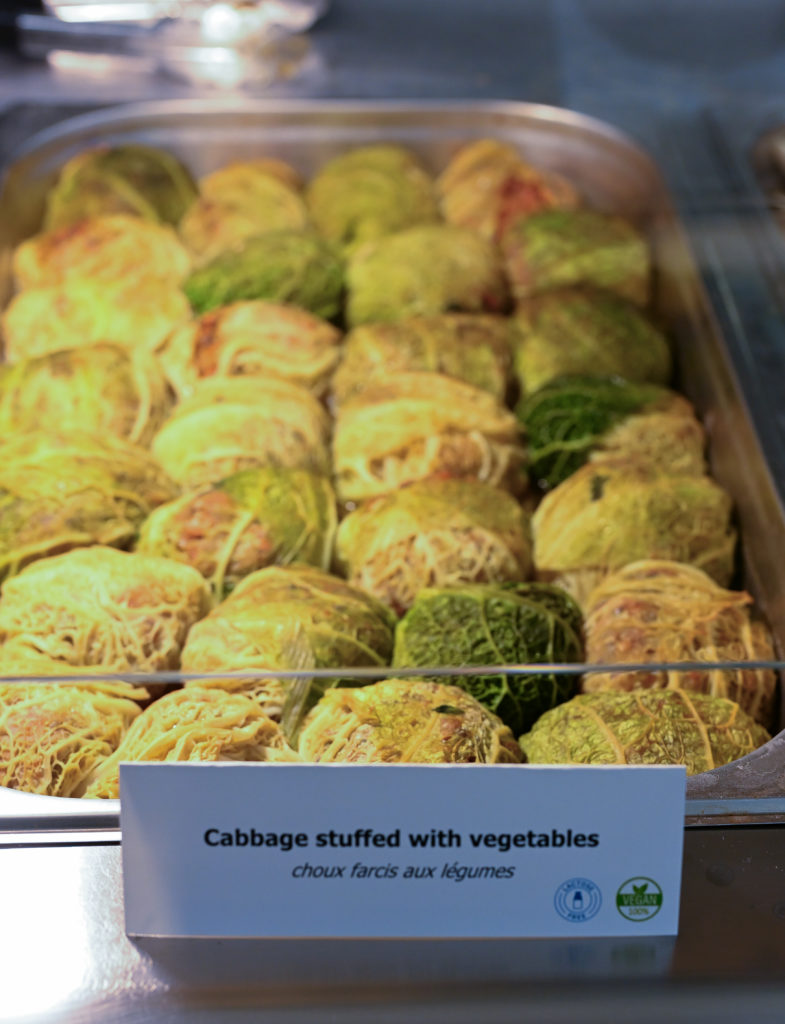
Based on these insights, the handbook highlights how applying a scientific methodology to cooking can enable a stronger acceptance of food, and by extension school meals. By making adjustments in their cooking methods to promote food acceptance, efficient use of energy and resources, sustainable production flows and food waste reduction, cooks can become more aware of the reactions and relationships between ingredients, resulting in more diverse and adventurous meals.
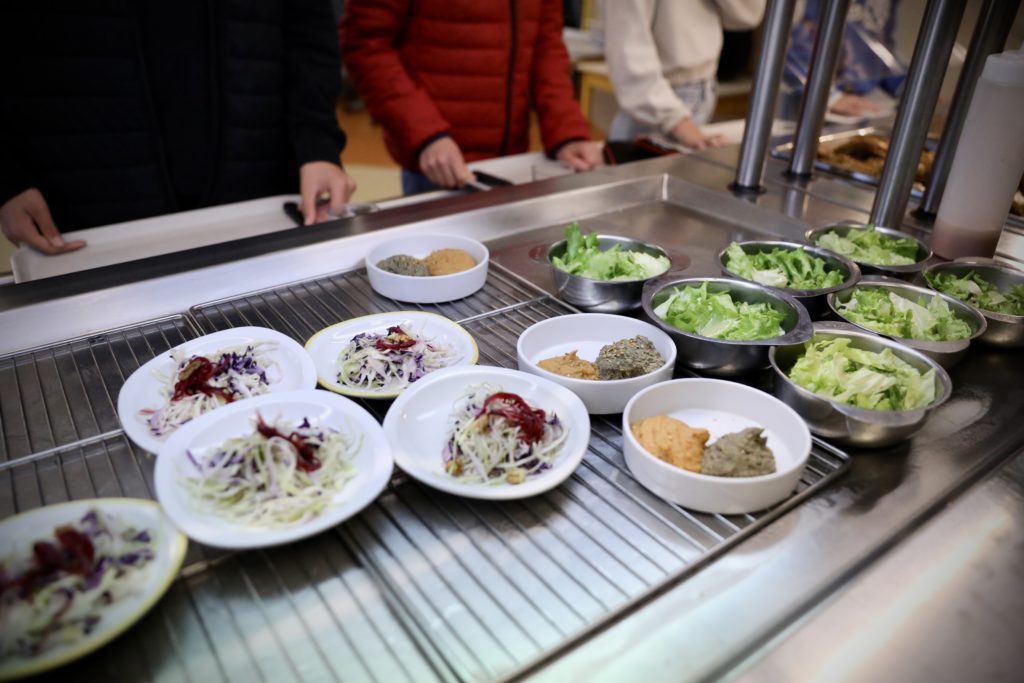
The handbook identifies a number of areas where cooks can make interventions to better adjust their meals to fit both the needs of their consumers and the needs of the planet. As mentioned earlier, the sensory characteristic of meals play a big role in their acceptance. When vegetables are presented in an appealing combination of colour, size and shape, they are more likely to be eaten with pleasure. In the context of school meals it’s also important to pay special attention to food texture, as kids prefer soft, smooth foods to those that are difficult to process. Cooks and other relevant stakeholders will find in the handbook a scientific overview of cooking methods, highlighting why and how specific interventions in the kitchen will foreground and preserve specific sensory experiences. We all know intuitively that fermented food tastes differently than marinated food, the handbook will provide an explanation of why these differences exist and how to best assess which method to use to achieve the desired effect.
The SchoolFood4Change School Menu Design Handbook can be downloaded here.